
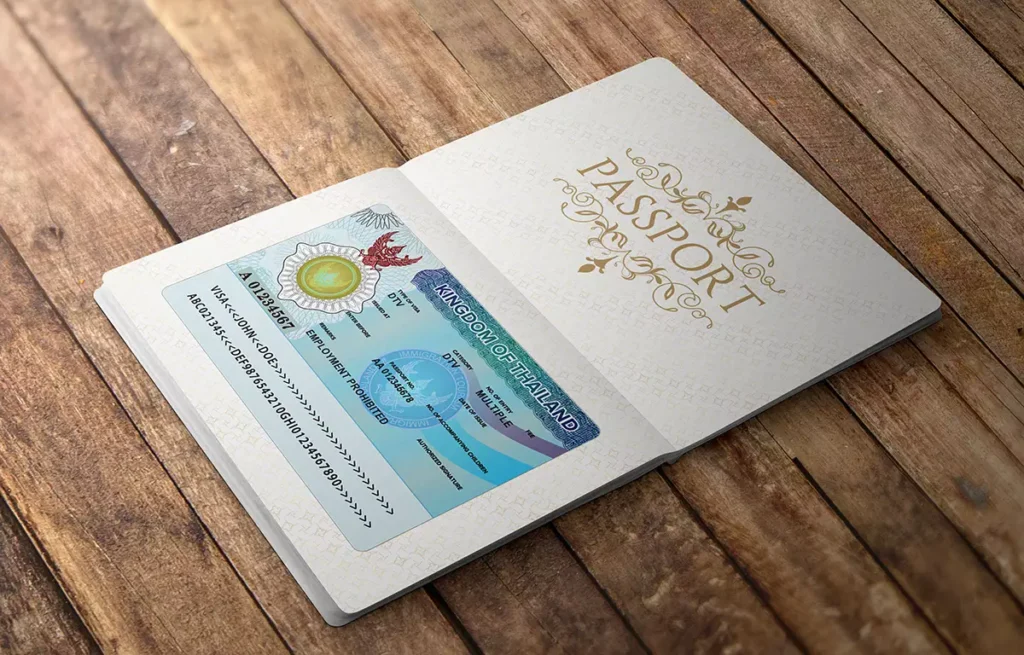
Thailand has recently expanded its visa offerings to attract a new generation of long-stay visitors, including remote workers, digital nomads, freelancers, and individuals seeking extended cultural or lifestyle experiences. One of the most notable developments is the Destination Thailand Visa (DTV)—a relatively new visa category designed to provide flexible, long-term stay options without requiring traditional employment within Thailand.
The DTV reflects Thailand’s evolving immigration strategy, aiming to balance tourism growth with economic contribution from foreign residents who bring income from abroad. Unlike conventional tourist visas, which are limited in duration, the DTV allows longer stays with fewer restrictions on re-entry, making it particularly appealing to location-independent professionals.
This article provides an in-depth and detailed overview of the Destination Thailand Visa, including eligibility requirements, application procedures, permitted activities, financial criteria, compliance obligations, and practical considerations.
What Is the Destination Thailand Visa (DTV)?
The Destination Thailand Visa is a long-stay visa designed for foreigners who wish to reside in Thailand for extended periods while engaging in activities such as remote work, cultural participation, or lifestyle exploration.
Key Features
- validity: up to 5 years (depending on approval)
- multiple entries allowed
- extended stay periods per entry
- designed for non-traditional work arrangements
The visa aims to attract individuals who earn income outside Thailand but wish to live in the country.
Target Applicants
The DTV is intended for:
- digital nomads
- remote employees of foreign companies
- freelancers working with overseas clients
- individuals participating in cultural or wellness programs
- long-term travelers seeking flexible residency
It is not intended for individuals seeking employment with Thai companies.
Eligibility Requirements
Applicants must meet several conditions to qualify.
1. Valid Passport
- minimum validity of at least 6 months
- sufficient blank pages
2. Financial Requirements
Applicants must demonstrate financial stability.
Typical requirements include:
- minimum savings (often around 500,000 THB or equivalent)
- proof of consistent income
3. Proof of Activity
Applicants may need to provide evidence of:
- remote employment or freelance work
- participation in approved programs (e.g., cultural, educational, or wellness activities)
4. Clean Background
Applicants may be required to show:
- no criminal record
- compliance with previous immigration rules
Application Process
Step 1: Application Submission
Applicants can apply:
- through Thai embassies or consulates
- via online visa platforms (where available)
Step 2: Document Preparation
Required documents may include:
- passport
- financial statements
- employment or income proof
- activity or program documentation
- photographs
Step 3: Review and Approval
Authorities review the application based on:
- financial capacity
- purpose of stay
- compliance history
Step 4: Visa Issuance
Once approved, the visa is issued, allowing entry into Thailand.
Duration of Stay
The DTV allows extended stays per entry, often significantly longer than standard tourist visas.
Key Points
- multiple entries permitted
- long stay duration per entry (varies by conditions)
- flexibility for travel in and out of Thailand
Permitted Activities
The DTV allows certain activities that are not typically permitted under tourist visas.
Allowed Activities
- remote work for foreign employers
- freelance work for overseas clients
- participation in cultural or educational programs
- lifestyle and wellness activities
Prohibited Activities
- employment with Thai companies
- local business operations without proper permits
Tax Considerations
Although DTV holders may earn income abroad, tax obligations may arise depending on:
- duration of stay
- tax residency status
- income remittance into Thailand
Professional tax advice is recommended for long-term stays.
Compliance Requirements
DTV holders must comply with immigration regulations, including:
- reporting requirements (if applicable)
- maintaining financial eligibility
- adhering to visa conditions
Failure to comply may result in visa cancellation.
Advantages of the DTV
1. Long-Term Stay
Allows significantly longer residence compared to tourist visas.
2. Flexibility
Multiple entries and extended stays provide freedom of movement.
3. Remote Work Compatibility
Supports modern work arrangements without requiring local employment.
4. Lifestyle Benefits
Enables access to Thailand’s culture, healthcare, and environment.
Limitations
1. No Local Employment
Cannot work for Thai employers.
2. Financial Requirements
Applicants must demonstrate substantial financial stability.
3. Regulatory Compliance
Ongoing compliance is required to maintain status.
Comparison with Other Thai Visas
Tourist Visa
- short-term stays
- no work allowed
Retirement Visa
- for individuals aged 50+
- requires financial deposits
Business Visa
- for employment or business in Thailand
Long-Term Resident (LTR) Visa
- for high-income professionals or investors
Common Challenges
Applicants may face issues such as:
- insufficient financial documentation
- unclear proof of remote work
- misunderstanding visa conditions
- changes in immigration policy
Best Practices for Applicants
To improve approval chances:
- prepare complete and accurate documentation
- demonstrate clear purpose of stay
- maintain sufficient financial records
- comply with all immigration rules
Strategic Use of the DTV
The DTV is particularly useful for:
- digital nomads seeking a base in Southeast Asia
- remote professionals balancing travel and work
- individuals exploring long-term relocation options
It serves as a bridge between short-term tourism and full residency.
Conclusion
The Destination Thailand Visa represents a significant evolution in Thailand’s immigration policy, offering a flexible and modern solution for long-term visitors who work remotely or seek extended stays. With its multi-year validity, multiple-entry privileges, and compatibility with global work trends, the DTV provides a compelling alternative to traditional visa categories.
However, applicants must meet strict financial and documentation requirements and adhere to immigration rules throughout their stay. Understanding these obligations is essential to avoid complications.
When properly utilized, the DTV allows individuals to enjoy Thailand’s lifestyle, culture, and strategic location while maintaining legal compliance—making it one of the most attractive visa options for modern global travelers.